-
Von Duprin
SKU: 4954 8FT 2IN SP313
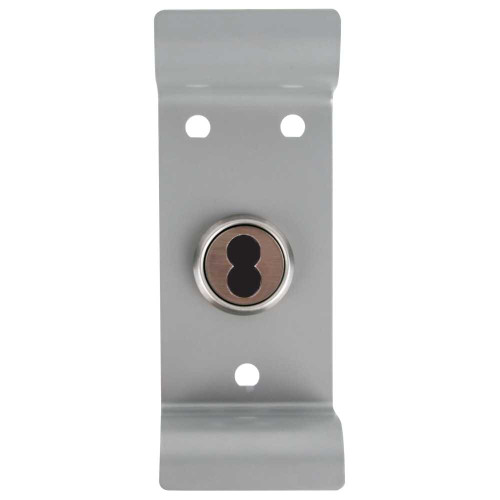
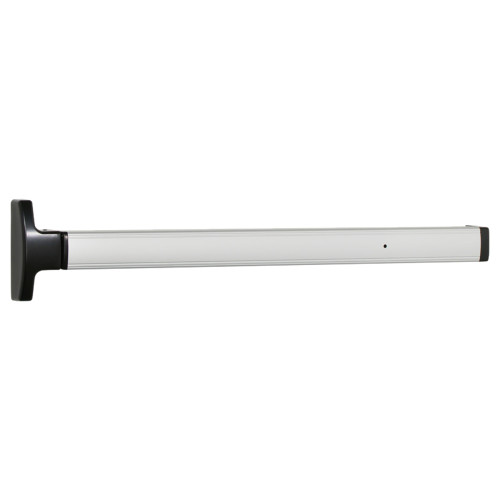
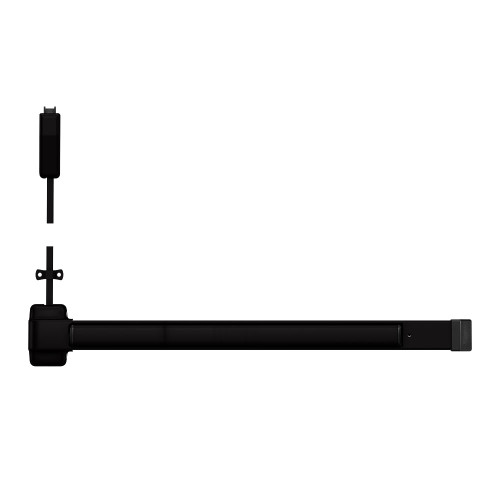
Von Duprin 4954 8FT 2IN SP313 Steel Mullion Prepped For Two 299 Strikes 8'2 Dark Bronze Painted Finish
MSRP:$1,073.00$722.0011 in stock -
Detex
SKU: V40 CD 628 99 36
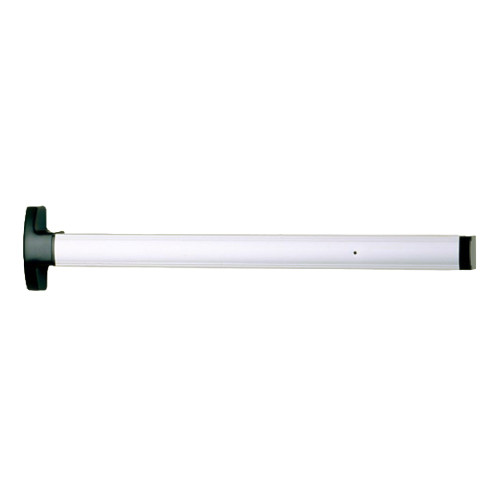
Detex V40 CD 628 99 36 Value Series Wide Stile Rim Exit Device Cylinder Dogging 99 Surface Strike 36 In Device Satin Aluminum Clear Anodized
MSRP:$626.00$386.0023 in stock -
Dorma
SKU: YODT 630
Dorma YODT 630 Grade 1 Exit Trim Y Escutcheon Only Non-Keyed Exit Only 91/93/94/9500 Series Non-handed Satin Stainless Steel Finish
MSRP:$293.00$177.00 -
Hager
SKU: 46NL WTN US26D
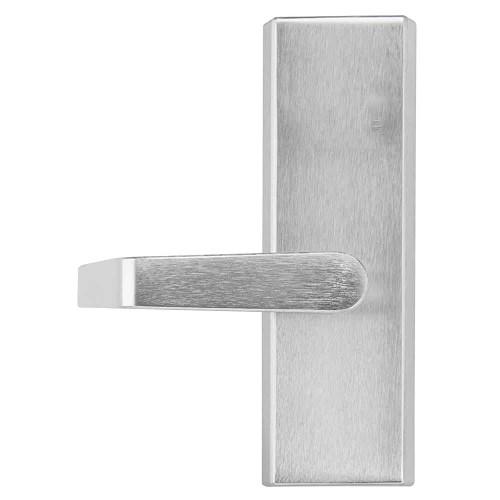
Hager 46NL WTN US26D 4600 Series Exit Trim Night Latch Withnell Lever Style Satin Chrome Finish
MSRP:$619.79$391.007 in stock -
Schlage Electronics
SKU: 47258545
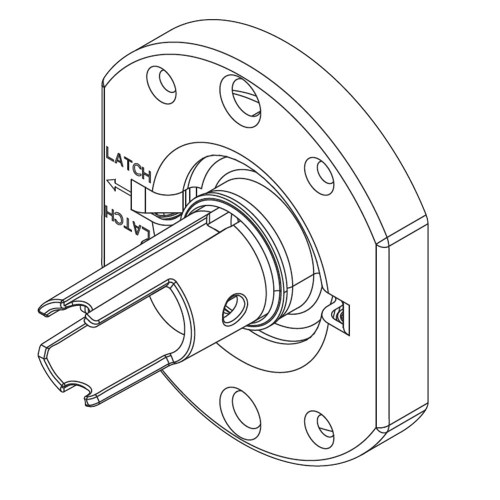
Schlage Electronics 47258545 AD/CO Series Exterior Spring Cage with Fasteners for Exit Trim
MSRP:$287.00$282.0075 in stock -
SDC
SKU: LR100FAK
SDC LR100FAK Quiet Duo Dual Latch Retraction / Dogging Kit 36 Opening for Falcon Dor-O-Matic 1790 and 1690 Series Exit Devices
MSRP:$733.00$534.0090 in stock -
Von Duprin
SKU: 230L-06 689 RHR
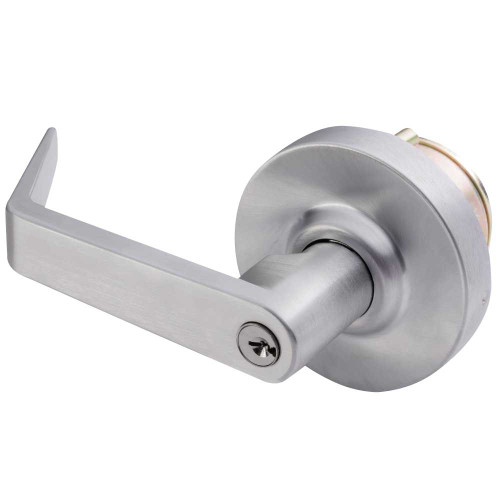
Von Duprin 230L-06 689 RHR Grade 1 Lever Trim Classroom Function 06 Lever with Escutcheon Aluminum Painted Finish Right Hand Reverse
MSRP:$372.00$204.00137 in stock -
Von Duprin
SKU: EL99NL-OP-F 3 26D
Von Duprin EL99NL-OP-F 3 26D Grade 1 Rim Exit Bar Wide Stile Pushpad 36 Device Night Latch Function Cylinder Only Electric Latch Retraction Less Dogging Satin Chrome Finish Non-handed
MSRP:$4,274.00$2,770.00 -
Von Duprin
SKU: KR4954 8FT 6IN SP28 BLANK
Von Duprin KR4954 8FT 6IN SP28 BLANK Steel Mullion Blank 8'6 Keyed Removable Aluminum Painted Finish
MSRP:$1,904.00$1,280.005 in stock -
Command Access Technologies
SKU: PS440B
Command Access Technologies PS440B 4 Amps at 24VDC Built to Run Up to 4 Locks Exit Trim & LP Motor/Soleniod kits With Battery Back Up
MSRP:$543.00$381.009 in stock -
Detex
SKU: ECL-8220
Detex ECL-8220 Metal Bar Plate Short for ECL-230D Series Only Photo-Luminescent English
MSRP:$32.00$29.0015 in stock -
Dexter
SKU: ED1000-R-EO-4FT-US10B
Dexter ED1000-R-EO-4FT-US10B Rim Exit Device Grade 1 48 Oil Rubbed Bronze
MSRP:$1,076.00$317.0020 in stock -
Dexter
SKU: ED1500T-CLRM-R-KDC-SP28
Dexter ED1500T-CLRM-R-KDC-SP28 Grade 1 Exit Device Trim Classroom Function Lever with Rose Aluminum Painted Finish Non-Handed
MSRP:$179.00$76.0035 in stock -
DynaLock
SKU: 6451-36 US28
DynaLock 6451-36 US28 6451 Series Exit Sensor Bar for 36 Door Satin Aluminum Clear Anodized
MSRP:$571.00$440.002 in stock -
Kaba Simplex
SKU: LRP1010-26D-41
Kaba Simplex LRP1010-26D-41 Exit Trim Lever Lock Combination Only Right Hand Reverse Satin Chrome
MSRP:$962.00$674.0034 in stock -
Schlage Electronics
SKU: 672 36 313 RD
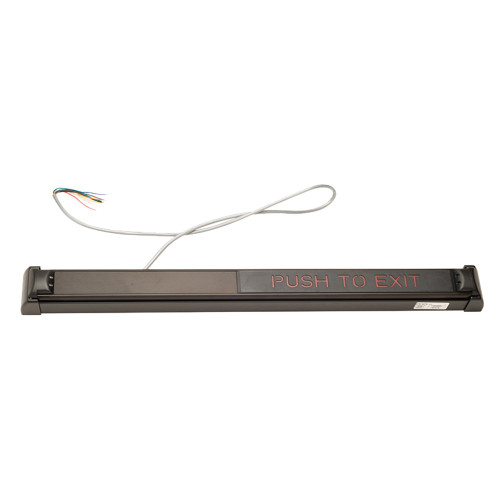
Schlage Electronics 672 36 313 RD TouchBar Request-to-Exit Device 36 Red Lettering Dark Bronze Anodized Aluminum
MSRP:$706.00$475.006 in stock -
Adams Rite door hardware and parts
SKU: 4560-601-130
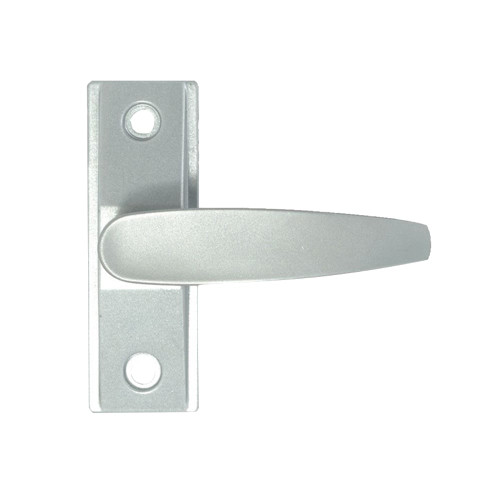
Adams Rite 4560-601-130 Flat Lever Trim without Return ADA compliant design For 1-3/4 In to 2 In Thick Door RH or RHR Satin Aluminum Paint
MSRP:$74.00$47.0065 in stock -
Adams Rite door hardware and parts
SKU: 4565-601-121
Adams Rite 4565-601-121 Thumbturn Lever Trim For infrequent operation or emergencies only For 1-3/4 In to 2 In Thick Door RH or RHR Dark Bronze Paint
MSRP:$80.00$51.005 in stock -
Adams Rite door hardware and parts
SKU: 4568-011-119
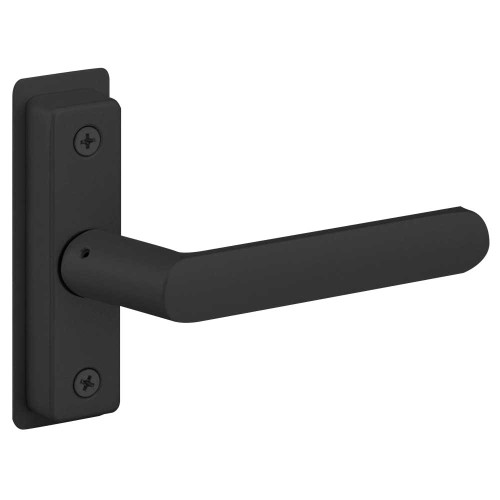
Adams Rite 4568-011-119 Flat Euro Lever Trim without Return For 1-3/4 In to 1-15/16 In Thick Door Field Reversible Satin Black Paint
MSRP:$74.00$47.00 -
Adams Rite door hardware and parts
SKU: 4568-501-119
Adams Rite 4568-501-119 Flat Euro Lever Trim without Return For 1-3/4 In to 2 In Thick Door LH or LHR Satin Black Paint
MSRP:$89.00$57.0022 in stock -
Adams Rite door hardware and parts
SKU: 91-0995-05-IP
Adams Rite 91-0995-05-IP 8400 Series Narrow Stile Mortise Exit Device Part Thick Door Kit for 2-3/4 Door
MSRP:$37.00$28.006 in stock -
Arrow
SKU: SF12 AL LC
Arrow SF12 AL LC Exit Device Trim Storeroom Function SF12 Wing Pull Aluminum Painted Finish Non-Handed
MSRP:$208.40$126.0026 in stock -
Arrow
SKU: SRX87 26D CS
Arrow SRX87 26D CS Exit Device Trim Classroom Function Sierra Lever with Rose Schlage C Keyway Satin Chrome Finish Non-Handed
MSRP:$167.00$106.0022 in stock -
Detex
SKU: V50 EE CD 628 96 36X84
Detex V50 EE CD 628 96 36X84 Value Series Wide Stile Surface Vertical Rod Exit Device Cylinder Dogging 96 Surface Strike Delayed Egress 36 In Device for 84 In Door Height Satin Aluminum Clear Anodized
$1,974.032 in stock -
Dorma
SKU: 8R08 689
Dorma 8R08 689 Grade 1 Exit Trim Sectional R Lever KIL Cylinder 6-Pin Schlage C 83/8400 Series Aluminum Painted Finish
MSRP:$448.00$270.0015 in stock -
Falcon
SKU: EL1690EO 30IN US28
Falcon EL1690EO 30IN US28 Grade 1 Concealed Vertical Rod Exit Device Narrow Stile Pushpad 30 Device Exit Only Electric Latch Retraction Satin Aluminum Clear Anodized Finish Field Reversible
MSRP:$1,406.98$729.00 -
MSRP:$625.00$481.004 in stock
-
MSRP:$564.00$434.0024 in stock
-
Hager
SKU: 4701 RIM 36 ALM
Hager 4701 RIM 36 ALM 4700 Series Standard Duty Rim Exit Device Panic Device 36 Door Size Aluminum
MSRP:$415.88$263.0023 in stock -
SKU: KW133621-17
Kawneer KW133621-17 Kawneer 1686 Concealed Exit Device 36 Device Clear Aluminum Finish Left-Handed/Right Hand Reverse
MSRP:$821.00$555.005 in stock -
Marks USA
SKU: MESC600A/26D
Marks MESC600A/26D Grade 1 M9900 Exit Bar Trim Entry Function American Lever with Escutcheon 1-1/4 Mortise Cylinder Satin Chrome Finish Field Reversible
MSRP:$174.02$96.0067 in stock -
Marks USA
SKU: MESC600N/26D
Marks MESC600N/26D Grade 1 M9900 Exit Bar Trim Passage Function American Lever with Escutcheon Satin Chrome Finish Field Reversible
MSRP:$150.29$83.0066 in stock -
Sargent
SKU: 775-8 ETW 24V RHRB 26D
Sargent 775-8 ETW 24V RHRB 26D Grade 1 Electrified Exit Device Trim Fail Safe Power Off Unlocks Lever Key Retracts Latch For Rim 8800 and NB8700 Series Devices Rim Cylinder W Lever 24V RHR Satin Chrome
MSRP:$2,148.00$1,294.008 in stock -
Von Duprin
SKU: 2227EO 3 695 LBR
Von Duprin 2227EO 3 695 LBR Grade 1 Surface Vertical Rod Exit Bar 36 Device Fits 84 Door Exit Only Less Bottom Rod Hex Key Dogging Dark Bronze Painted Finish Field Reversible
MSRP:$1,081.00$591.007 in stock -
Von Duprin
SKU: 388NL 26D
Von Duprin 388NL 26D Grade 1 Exit Trim Night Latch Function Less Pull Satin Chrome Finish Non-Handed
MSRP:$494.00$332.00148 in stock -
Von Duprin
SKU: QEL99EO 3 US28
Von Duprin QEL99EO 3 US28 Grade 1 Rim Exit Bar Wide Stile Pushpad 36 Device Exit Only Less Trim Motorized Latch Retraction Less Dogging Satin Aluminum Clear Anodized Finish Non-handed
MSRP:$3,503.00$2,355.00155 in stock